









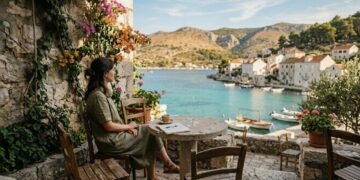


Here’s the short version: sailing in Croatia is about as safe as sailing gets. The Adriatic is a sheltered, island-studded sea with hundreds of marinas and a safe harbour rarely far away. The one thing that genuinely catches people out isn’t crime, sharks or dodgy boats: it’s the wind. Learn to read the forecast, respect the bura, and know when not to leave port, and you’ve handled most of the real risk. Croatia is consistently ranked one of the world’s safest countries, and its charter fleet, maritime safety standards and rescue services reassure first-time sailors.
How safe is sailing in Croatia, really?
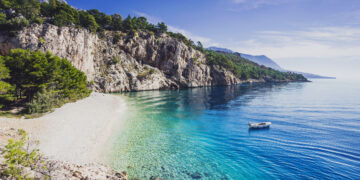
Very. Genuinely one of the safest sailing destinations anywhere. It’s among the most forgiving cruising grounds in the Mediterranean: short island hops, deep clean water, calm waters in the lee of long island chains, and sheltered anchorages from the Kornati to Hvar. Crime against sailors is low, and there are no dangerous currents or meaningful shark risk. The real danger is weather and seamanship. Nearly everything below is about managing it.
Do you need a licence to sail in Croatia? Bareboat vs skippered
To charter a yacht bareboat (no professional skipper), the person in charge needs two things, worth sorting before you book:
- A skipper’s certificate of competence suited to the size of boat: a national coastal skipper licence or an International Certificate of Competence (ICC), which Croatia formally accepts. Confirm accepted qualifications with your base in writing before booking.
- A VHF radio operator’s certificate (such as the SRC). Every charter yacht carries VHF/DSC radio, so at least one person aboard must be qualified to use it. It needn’t be the skipper. (Current as of August 2026.)
No certificate? The fix is easy and often smarter for a first trip: hire a skipper, or join a flotilla, a group of boats cruising together with a lead crew. The skipper handles the licences, weather calls and tricky mooring while you learn the ropes; an RYA-style Day Skipper course is the natural next step.
Not sure sailing is for you? Do a skippered day-sail first. From Split, the Split: Half Day Sailing Tour with Swim Stop, Snacks and Wine is a well-run skippered sailboat outing (4.8★, 32 reviews) that lets you test the idea with no responsibility.
The winds you actually need to respect
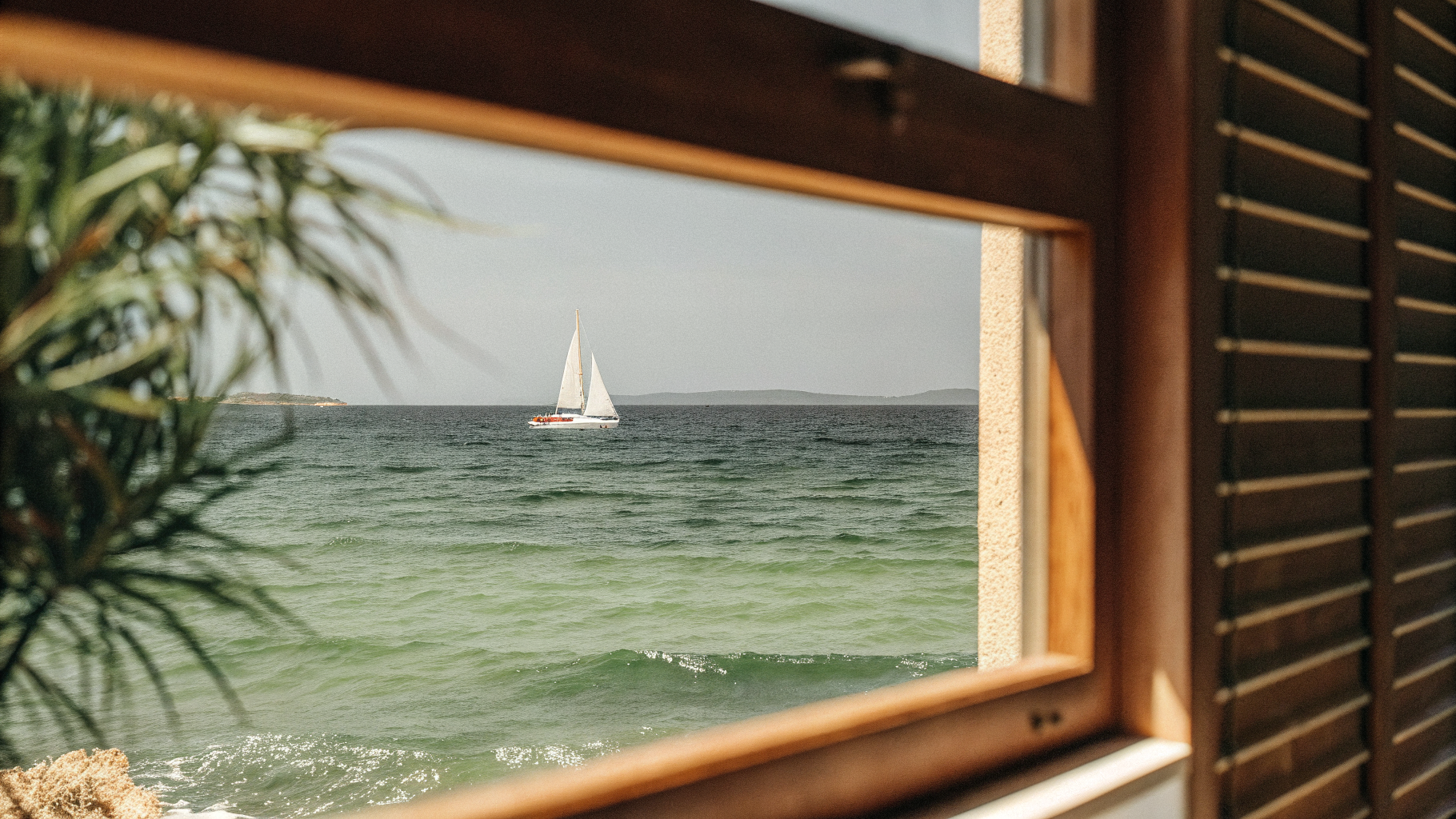
Three named winds do most of the work along the Adriatic coastline, and knowing them is the single most useful skill here.
- Bura (bora): the one that matters. A violent, cold, gusty wind from the northeast, off the mountains, strongest around Kvarner, the Velebit channel and the Senj–Makarska stretch. It can arrive with little warning in fierce gusts; the sea stays low but turns steep and short, which is nastier than it sounds. Most common October to April, but it can blow in summer. When a strong bura is forecast, stay in a protected marina. Full stop.
- Jugo (sirocco): a warm, humid southeasterly that builds slowly and predictably but pushes up a big, rolling swell with rain and poor visibility. It gives you time to react, so use it to reach shelter.
- Maestral: the friendly one. A northwesterly thermal breeze that fills in through summer afternoons and dies by evening: reliable, moderate and exactly what you came for, though it can build to a lively Force 5.
Reading the forecast — and when not to leave port
Forecasting is where good Croatian sailors earn their keep, and it’s learnable. Check the DHMZ marine forecast (Croatia’s official meteorological service) every morning, cross-check a second source, and watch Plovput navigational notices for your area. Ask the harbourmaster or your base too. Locals read the sky here and will tell you straight if a bura is coming.
The discipline that keeps people safe is unglamorous: be willing to stay in port. The classic first-timer mistake is sailing into weather to keep a reservation. Build slack into the plan. The island will still be there tomorrow.
Safety equipment, the crew list and a proper check-in
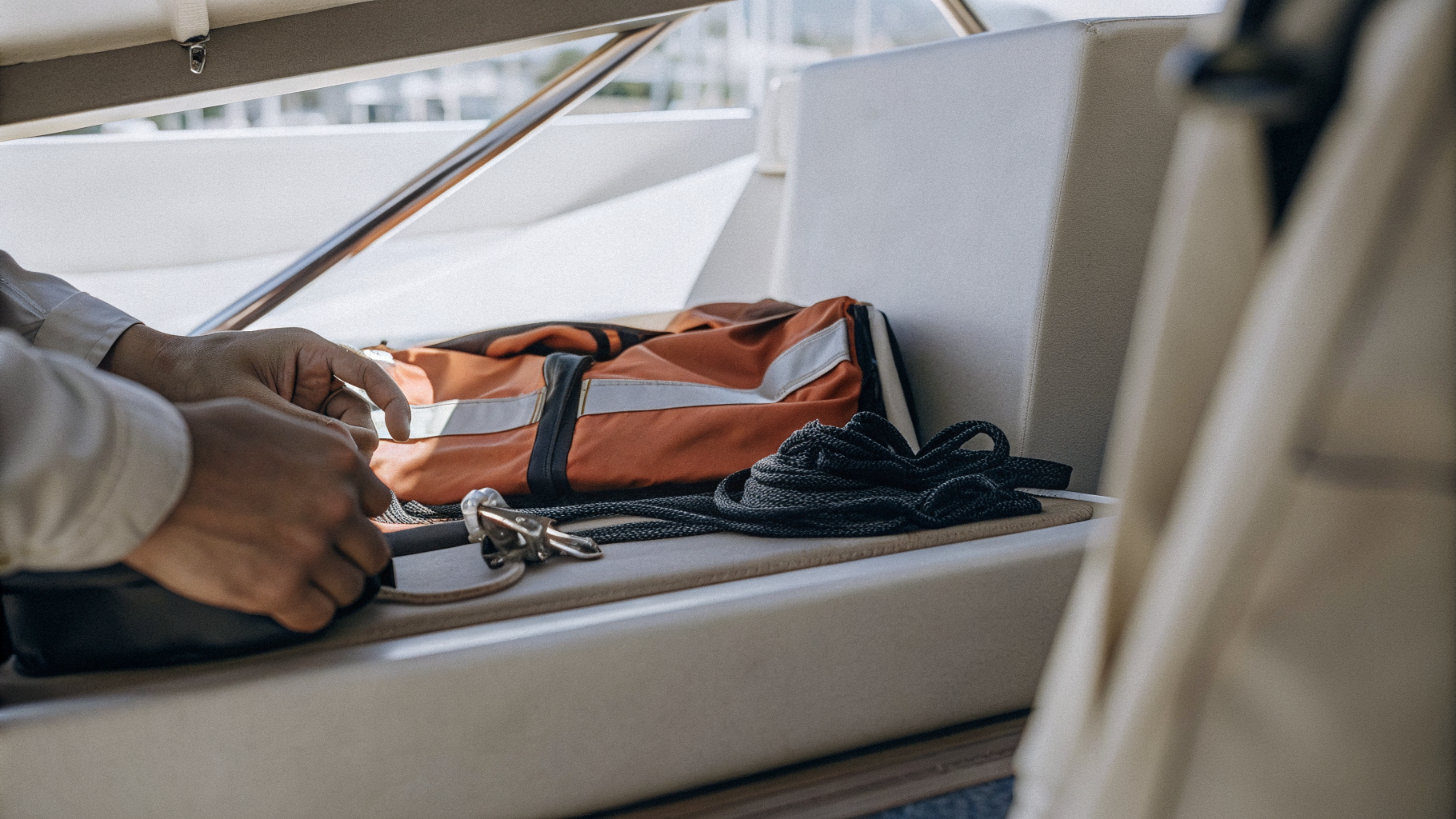
A chartered yacht comes equipped to the legal minimum, and your job at handover is to find and understand that kit, not just admire the boat. That means a lifejacket for every person aboard (try them on, check they fit the kids), plus the liferaft, flares, fire extinguishers, first-aid kit and VHF radio. Have the base walk you through it all, and photograph existing damage with staff present.
Two bits of paperwork the base normally handles, but worth knowing:
- The crew list (eCrew). Croatia requires the crew and passenger list to be registered online before the vessel departs, done by the charter company through the official eCrew system. Make sure names match passports exactly. (Current as of August 2026.)
- The vignette and sojourn tax. Your charter fee normally covers the nautical vignette (the navigation permit) and the sojourn tax (a small tax for nights aboard). Confirm both are included. (Current as of August 2026.)
One firm rule: don’t skipper after drinking. Croatia treats being drunk in charge of a boat seriously, with heavy penalties.
Mooring, anchoring and night sailing
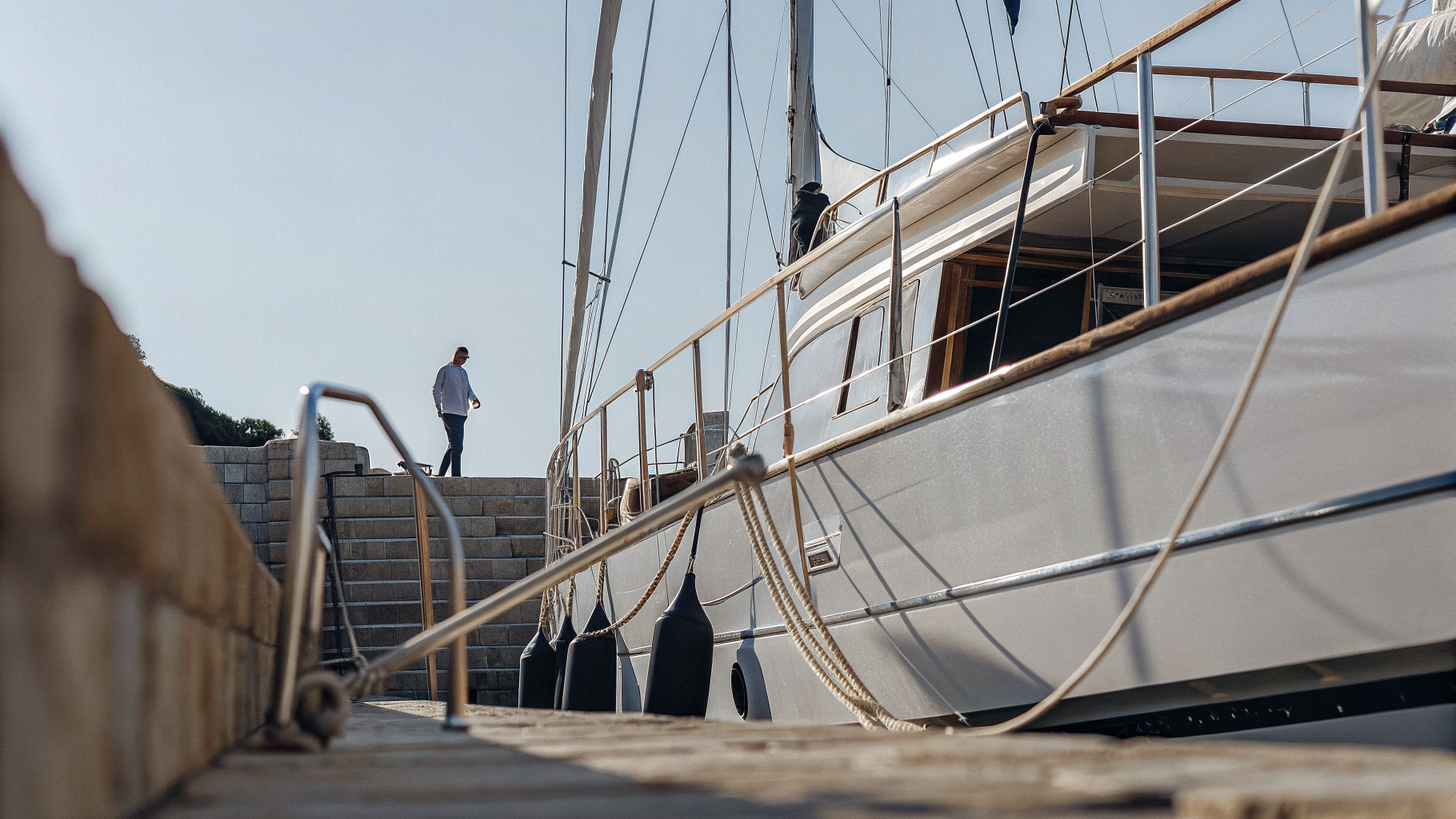
Most incidents on charter holidays happen at low speed, close to land: a dragging anchor, a botched stern-to mooring in a crosswind, a line round the propeller. Take mooring slowly, brief the crew first, and if you anchor overnight, set the anchor properly and check your holding. With so many marinas, quays and mooring buoys, if a bay feels exposed, move on and pay for a berth. A safe harbour is never far away.
Night sailing raises the difficulty: shorter reaction time, hard-to-spot fish-farm buoys and unlit boats, and tricky navigation lights among the islands. Beginners are better off day-sailing and in harbour by dusk.
If something goes wrong: MOB and calling for help
Rehearse two things on day one. Man overboard (MOB): shout “man overboard,” throw flotation immediately, keep eyes on the person and point continuously, hit the MOB button on the chartplotter, and turn back under control. Practise it once in calm water.
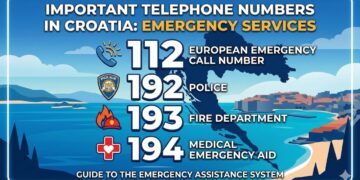
Calling for help: the VHF radio is your primary lifeline. Distress calls go out on VHF Channel 16, monitored around the clock by the Croatian coast guard. A Mayday on Channel 16, or a call to 195, national sea search and rescue (MRCC Rijeka), reaches the people who come for you. From any phone, 112 connects you to everything, with English-speaking operators.
Best time to sail — and about that seasickness
May, June and September are the sweet spot: warm, reliable maestral breezes, calmer seas, fewer crowds and a much lower chance of a strong bura. July and August are hot and busy but very sailable; avoid deep autumn and winter unless you’re experienced. That’s peak bura season. And yes, people do sometimes get seasick, but the sheltered Croatian waters are among the gentlest anywhere. If you’re prone to it, take a remedy before you feel unwell and stay on deck watching the horizon. It usually fades within a day.
Emergency contacts (save these before you sail)
- 112, the single European emergency number: police, fire, ambulance and sea-rescue dispatch, with English-speaking operators. The one everyone should save.
- 195, national sea search & rescue (MRCC Rijeka).
- VHF Channel 16, the international distress and calling channel, monitored 24/7 by the coast guard.
- Plus 192 police · 193 fire · 194 ambulance/EMS.
Travel insurance: check your policy actually covers sailing/yacht charter. Some exclude “watersports” or bareboat skippering, and the EU’s EHIC/GHIC is useless to US travellers, who need private cover.
Frequently asked questions
Is sailing in Croatia safe?
Yes. One of the safest, most beginner-friendly cruising grounds in the Mediterranean: sheltered island chains, short distances, plenty of marinas and low crime. The main risk is weather, chiefly the bura.
Do I need a licence to charter a yacht in Croatia?
For bareboat charter, yes: a recognised skipper’s certificate (national coastal licence or ICC) plus a VHF radio operator’s certificate on board. Without them, hire a skipper or join a flotilla. No licence needed from you.
What is the bura and why does it matter?
A violent, gusty northeast wind that can arrive with little warning and kick up steep, short seas. It’s the single most important weather hazard here. When a strong one is forecast, stay in a protected marina.
When is the best time of year to sail in Croatia?
May, June and September: warm weather, reliable afternoon maestral breezes and a lower chance of strong bura. July and August are hot, busy and very sailable; deep autumn and winter are for experienced crews only.
Is night sailing allowed on a bareboat charter?
Generally not restricted, but much harder: unlit obstacles, fish-farm buoys and complex island navigation. Beginners should day-sail and be in a safe harbour by dusk.
The short version
Sailing in Croatia is safe, gentle and one of the best introductions to the sport anywhere. The country does the hard part by giving you sheltered water and a harbour never far away. Respect the wind, especially the bura; check the DHMZ forecast and be willing to stay in port; sort the skipper’s certificate and VHF licence (or hire a skipper); and save 112, 195 and VHF Channel 16. Do that, and the Adriatic is yours.
More from the series: the same offshore-wind rule applies to kayaking and swimming; the bura that keeps you in port also cancels ferries (island hopping) and closes coastal roads (driving in Croatia). Prefer not to charter? See the islands by ferry or on the Dubrovnik to Split route.