









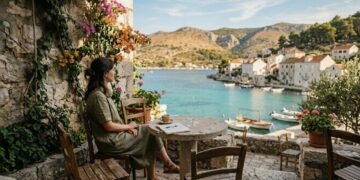


Here’s the short answer: in October, nearly everything in Croatia is still open: cities, national parks, restaurants, most hotels, and by November the country has split in two. The mainland towns (Zagreb, Split, Zadar, Šibenik, Dubrovnik) never close at all; the small islands quietly put the chairs up until spring. The switch doesn’t happen on one date. It happens in two waves: the seasonal catamarans stop running in the first half of October, and the island tourist economy follows about three weeks later.
So the real question isn’t whether a trip to Croatia in October or November is worth it. It is, and October might genuinely be the best time to visit Croatia. The question is which Croatia you’ll get, town by town. Most Croatia travel content answers this with weather averages; this is the town-by-town version instead. Everything below was checked against operator and official sites in late August 2026; where we couldn’t confirm something at that standard, we say so instead of guessing.
Is Croatia worth visiting in October?
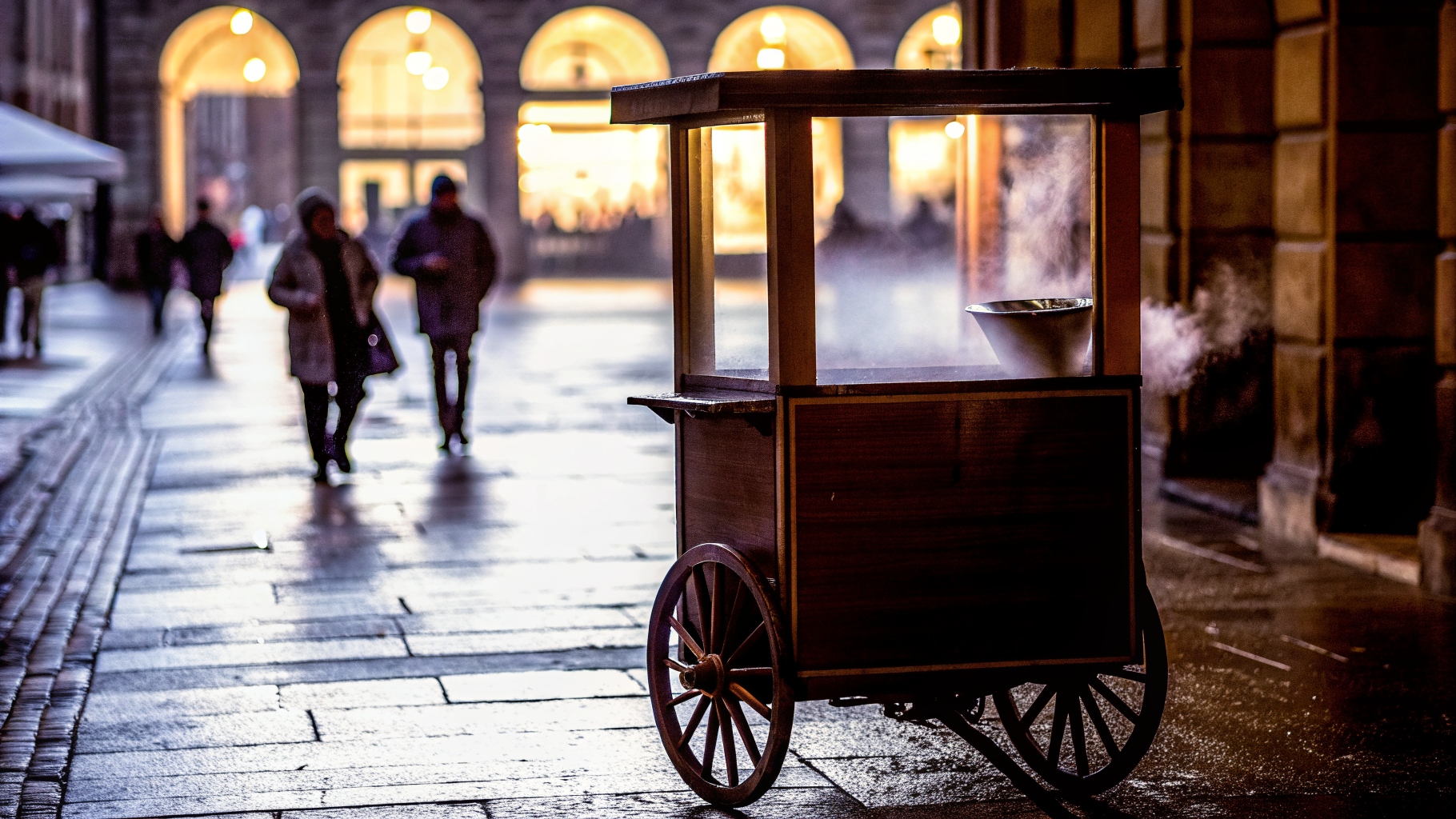
Yes, and for a couple it’s arguably the sweet spot of the whole year. The summer crowds are gone but the weather hasn’t, hotel prices drop hard, and locals have their towns — and their patience — back. The catch is simply that the country runs on a summer/winter switch, and you need to know which side of it your plans fall.
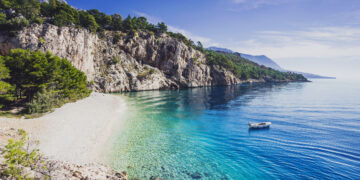
The weather in October on the Dalmatian coast is what northern Europe calls summer: daytime highs around 20–22°C in the first half of October, cooling and getting showerier as the month goes on. The Adriatic Sea holds its warmth longer than the air: sea temperature sits around 20–21°C in early October, so yes, you can still swim. Whether you’d sunbathe on Zlatni Rat beach in a stiff breeze is another matter, but on a calm early-October afternoon, Bol with no crowds is a small miracle. By November, swimming is for the committed: air in the mid-teens on the coast, more rain, and the kind of moody light photographers cross oceans for.
Compared with other months: Croatia in September is still tourist season with better prices; October is the shoulder proper; November is genuinely off season: quiet, cheap and mostly mainland; and Croatia in December means Zagreb’s Advent and not much on the islands. If your priorities are swimming and island hopping, come in the first half of October. If they’re food, cities and empty old towns, November treats you better than the internet suggests.
Do ferries still run in Croatia in October?
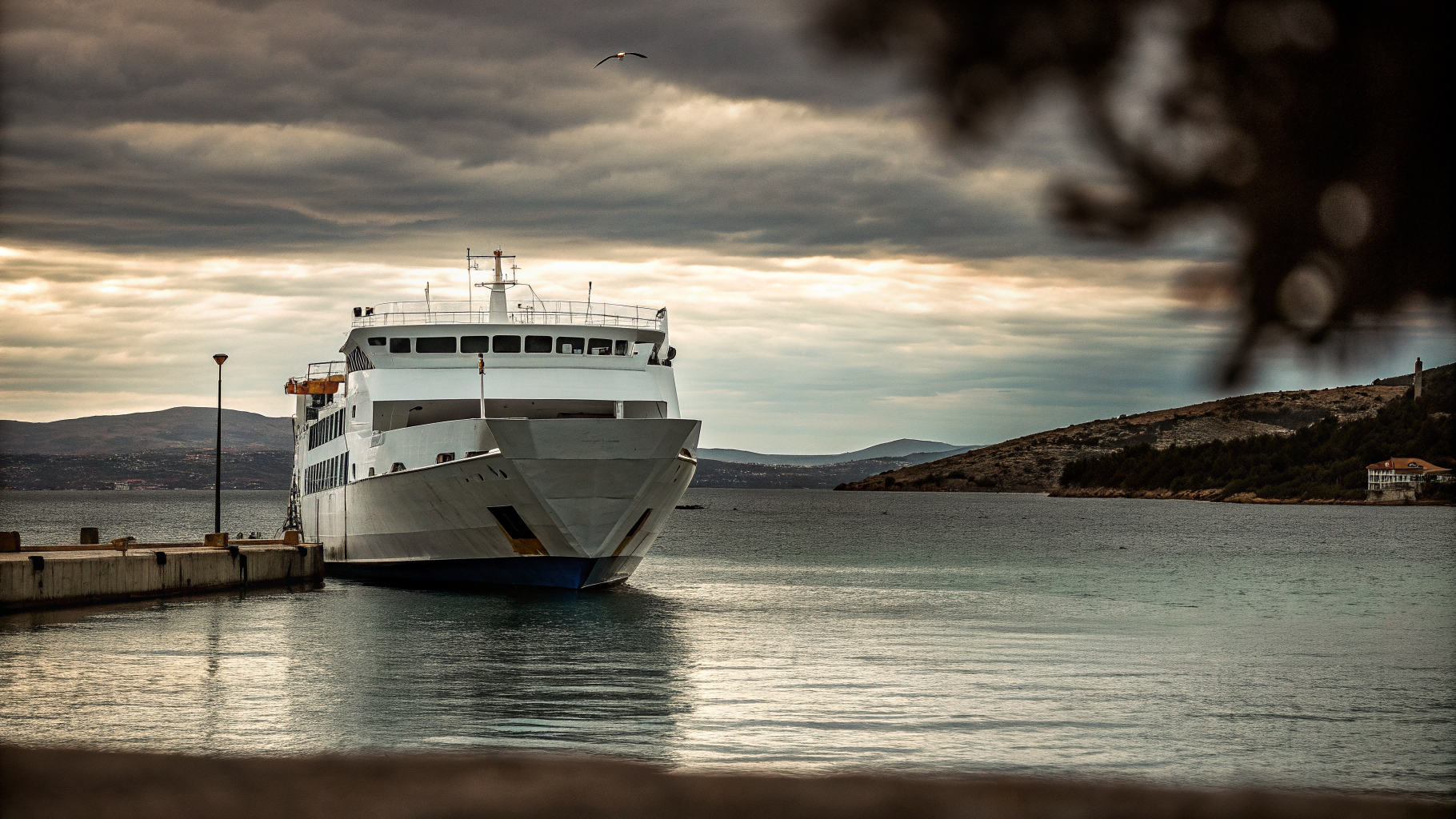
This is the fact that should shape your whole itinerary, so here it is plainly: the big white Jadrolinija car ferries are lifeline services for islanders and run all year, every year. What stops are the fast seasonal catamarans, the summer-only lines that make island hopping easy.
The dates that matter (checked 25 Aug 2026 on operator sites):
- Krilo’s Dubrovnik–Mljet–Korčula catamaran runs daily until 15 October 2026 (last season day; it started 12 May). After that, reaching Mljet or Korčula from Dubrovnik means going the long way round.
- Krilo’s Split–Bol–Jelsa catamaran finishes 30 September 2026. October visitors reach Brač by the year-round Split–Supetar car ferry instead, which, from 2026, Jadrolinija runs without a skeleton off-season timetable at all, a quiet upgrade for autumn travellers.
- Jadrolinija’s own summer timetables thin out from early October, and in practice October marks the network-wide changeover, though it isn’t a single fixed date; each line moves to its winter timetable on its own schedule.
The practical translation: in October and November you plan around the car ferries, not the catamarans. Split–Supetar, Split–Stari Grad (Hvar), Split–Vela Luka, Zadar–Preko: all running, all winter. They’re slower, they’re cheap, and they never strand you. Our island hopping without sailing: ferry route guide covers how to string them together, and if you’re deciding between coast and islands for a late trip, read it before you book anything.
What’s actually open, town by town
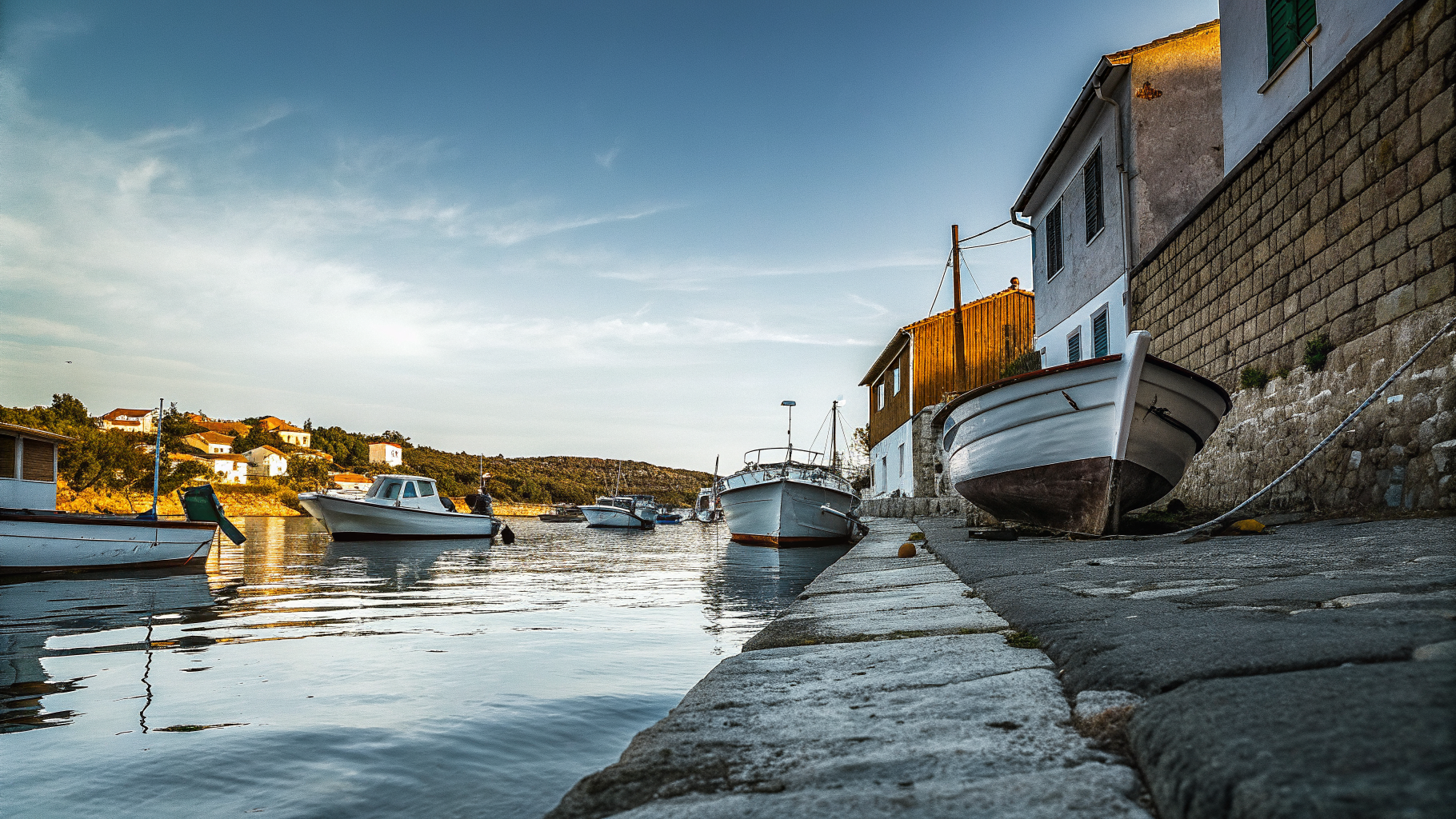
Dubrovnik
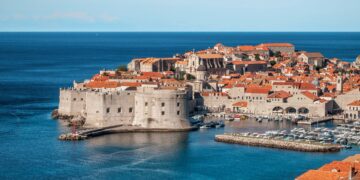
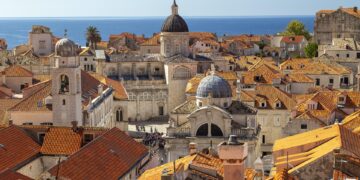
Dubrovnik never closes. It just exhales. October still has cruise ship traffic and decent crowds in the old town; by November you can hear your own footsteps on the Stradun, which is worth the trip by itself. The city walls stay open year-round with shorter winter hours and a noticeably cheaper ticket, winter pricing has run roughly €15 against a high-season price around €40 in recent years, though hours and prices shift with the season, so check the current timetable before you go. Dubrovnik Cathedral and the museums run all year. The one genuine November casualty: the cable car up Srđ closes for the season, in 2026 it runs to 31 October (9:00–20:00 in late October, €30 return) and reopens in April (checked 25 Aug 2026, operator site). Walk up instead; the view doesn’t take winters off.
Is Dubrovnik in November worth it? For a couple who want the old town without the elbows: emphatically. Just come for the city, not the islands.
Split and Trogir
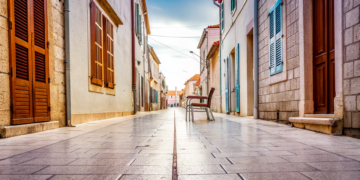
Split is a real city of 160,000-odd people that happens to contain a Roman palace, and real cities don’t hibernate. Diocletian’s Palace, the markets, the konobas, the café theatre on the Riva, all of it runs through winter, and locals reclaim the old town in the best way. Trogir, twenty minutes up the road, is quieter but similar: a lived-in coastal town, not a summer set. This is the best autumn base in Dalmatia: day trip options in every direction (our Plitvice from Split, and why you should stay the night makes the case for the most popular one), buses and ferries year-round, and an airport that stays properly connected. How to get here from Dubrovnik out of season is its own small puzzle: solved in Dubrovnik to Split: ferry, bus or drive.
Hvar, Korčula and the small islands
Here’s the honest part. The islands don’t close because of weather; they close because the people who run the konobas and rental apartments go back to being ordinary residents. Hvar town in October is lovely and functioning, first half of the month especially. By mid-November it’s a handful of cafés, a bakery and locals who look mildly surprised to see you. Many island hotels shut from around November to April, though not all: Palace Elisabeth, Hvar Heritage Hotel, on Hvar Town’s main square, is listed as “open all year” on its live Booking.com page (checked 26 Aug 2026), so a wintering Hvar visit isn’t purely hypothetical. Korčula follows the same curve, with the added complication that the Dubrovnik catamaran stops on 15 October. Mljet’s national park stays technically open, but services around it wind right down.
Rule of thumb: islands in October, yes. Go, it’s the best of both. Islands in November, only if solitude is the point, you’ve confirmed your accommodation is actually open, and you’re happy planning around two ferries a day.
Zadar and Šibenik
Two of the best November towns in the country, and the ranking content never mentions them. Both are working cities with universities, year-round restaurants and old towns that don’t depend on tourists. Zadar’s sea organ sounds better in an autumn swell anyway, and the sunsets Hitchcock allegedly raved about are an October specialty. Šibenik, with its cathedral, its two fortresses and Krka National Park twenty minutes away, might be the single smartest off-season base in Dalmatia; we’ve made the full argument in Šibenik as a base. Neither town will give you a beach holiday in November. Both will give you a better dinner than you’d get in August, at a table you didn’t book.
Rovinj, Pula and Istria
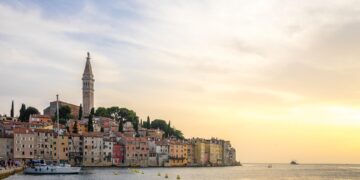
Istria has the opposite season to the coast: autumn is its peak. October and November are white truffle months, the olive harvest, new local wine, the region’s restaurants treat this as the main event, not the aftermath. Rovinj gets quiet and romantic in the mist; Pula’s amphitheatre is open year-round and considerably more atmospheric without the summer concert rigging. Inland, the hill towns lean into truffle season hard. Our Motovun truffle season guide covers the festivals and where to actually eat. If you’re choosing one place to visit for a November couples’ trip, choose Istria and don’t overthink it.
Zagreb and inland Croatia
Zagreb doesn’t have an off season: it has seasons, plural, like a normal European capital. October brings the Zagreb Film Festival build-up (the festival runs each November; 2026 dates weren’t announced at research time), roast chestnut stands appear on the squares, and the museums, from Broken Relationships to the big galleries, run all year; the cultural events calendar barely notices the season. By late November the Advent markets open: mulled wine, ice rink, the works, and the city is at its best; we’ve written a whole Zagreb Advent 2026 couples’ weekend on it. Evenings here in autumn are the point, not the compromise.
Plitvice and Krka
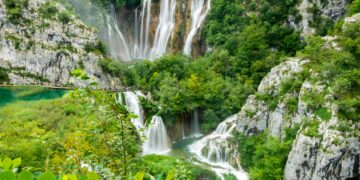
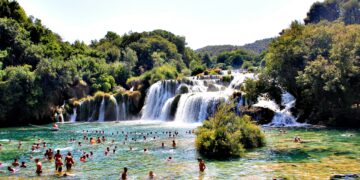
Both national parks stay open all year, and autumn is when photographers deliberately go. Plitvice Lakes National Park in October costs €23 per adult, and from 1 November the ticket drops to €10, a quarter of the €40 summer price (official price list, checked 25 Aug 2026). The foliage in the second half of October is the best in Croatia. Krka is open year-round too, with reduced boat services and noticeably lower autumn ticket prices than the summer peak. Expect a similar shoulder/winter step-down to Plitvice’s, though check the current price list before you go. Pack proper shoes; wooden walkways plus November rain is a combination with consequences.
Where to stay: hotels that don’t close
The island resort hotels mostly shut by November; these five are open through the off season, verified operating, and honestly good. Prices in October–November typically run 30–50% below summer.
- Hilton Imperial Dubrovnik: the classic just outside Pile Gate; opened 1897 for exactly this kind of winter traveller. Solid, warm, two minutes from the walls.
- Cornaro Hotel, Split: right on the edge of the old town, rooftop with a palace view, and one of the few Split hotels where November feels intended rather than tolerated.
- Heritage Hotel Life Palace, Šibenik: a 15th-century palace in the heart of the stone old town; small, central and made for a foggy-evening city break.
- Grand Park Hotel Rovinj: Istria’s showpiece, gazing across the harbour at the old town; the indoor pools and spa floors make more sense in November than in July. Not cheap, but this is when it’s least not-cheap.
- Esplanade Zagreb Hotel: built in 1925 for Orient Express passengers, and still the most romantic winter address in the capital. Walk out the door into Advent.
Things to do in Croatia in October and November
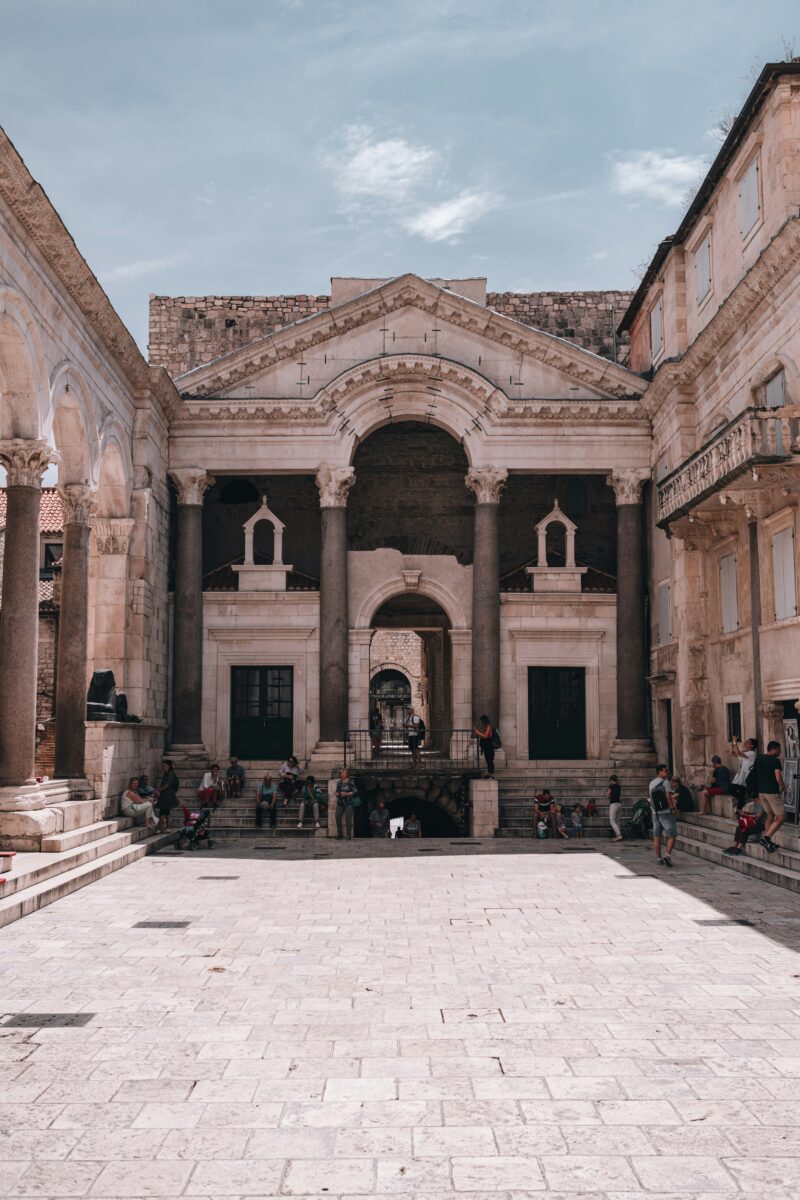
The good news about autumn activities: almost nothing that matters needs summer. Walking tours run all year, in Split, the Walking Tour of UNESCO Diocletian Palace & Old Town is a well-reviewed, year-round way to spend your first hour in the city (4.7★, ~990 reviews, about €15). Wine tasting fills a rainy afternoon better than any beach, the Pelješac cellars pour through autumn, and yes, there’s a version of that trip for the sober half of a couple: Pelješac wine guide. And autumn is peka season: the slow-cooked, ember-buried dish konobas do best when there’s a chill on. What peka is and how to order it (a day ahead) is in konoba customs: peka, marenda and how to eat like a local.
The practical bit
How to dress for Croatia in October: layers, one proper rain jacket, and shoes with grip, polished stone streets are skating rinks when wet. First week of October can still be warm enough for dinner outside; by the last week you’ll want the jacket most evenings. November adds a scarf and an umbrella you’ll actually use.
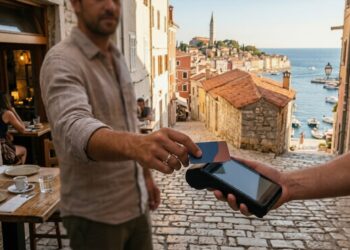
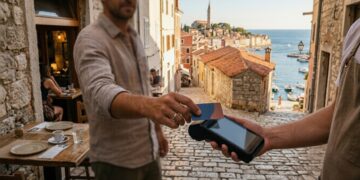
Money: cards work nearly everywhere, but small off-season konobas are exactly where cash still matters: details in cash or card in Croatia. Tipping logic doesn’t change with the season (tipping in Croatia).
Borders: if you’re American (or any non-EU visitor), the EU’s new EES biometric entry system applies at Croatian borders, what that means in practice is in EES at Croatia’s borders for Americans.
Getting around: intercity buses run year-round and are the off-season workhorse; the coastal catamarans are seasonal (dates above); rental cars are cheap in autumn and the coast road is at its best without August traffic.
FAQ
Is it worth going to Croatia in October?
Yes, for most travellers it’s the best month of the year: warm sea into mid-month, thin crowds, lower prices, everything still open. The first half of October is essentially summer with breathing room.
Can you swim in Croatia in October?
In early October, comfortably. The sea is still warm, around 20–21°C, warmer than the air some mornings. By late October it’s brisk; by November it’s a dare.
Is Dubrovnik in November worth it?
For the old town, absolutely, walls open (short hours, cheap ticket), museums open, restaurants open, crowds gone. Skip it only if your plan depended on islands or the cable car, which closes November to March.
Are tourist attractions open in Croatia in October?
Essentially all of them. City sights, museums and both famous national parks run year-round; Plitvice even gets cheaper (€23 in October, €10 from November). The closures that bite are island catamarans (first half of October) and island hotels (from around November).
Do ferries still run in November?
Car ferries, yes. They’re lifeline services and run all year, on thinner timetables. Seasonal catamarans, no. Plan island time around the car ferry ports: Supetar, Stari Grad, Vela Luka, Preko.
The short version
October: go anywhere in Croatia, islands included, first half of the month especially, and enjoy the country with the volume turned down. November: stay mainland: Zagreb, Split, Zadar, Šibenik, Dubrovnik, and above all Istria. Book one of the year-round hotels above, eat peka, drink new wine, and let the islands sleep. Either month beats August for a couple. Just check one ferry timetable before you commit, not after.