










Here’s the short version: going out in Croatia is safe. Violent crime is rare, the bars and clubs are relaxed, and the honest risks on a night out are the same low-drama ones you’d manage anywhere: one specific overcharging scam, keeping an eye on your drink, pacing your alcohol in the heat, and getting home without doing anything daft. Do those four things and you can relax about the rest. Both the US State Department and the UK Foreign Office rate Croatia a low-crime, “exercise normal precautions” destination (checked August 2026), and a night out in Split, Hvar or Zagreb feels exactly that ordinary.
So this isn’t a fear piece. It’s the practical version: the couple of things worth knowing before you’re three drinks in and looking for a taxi, so none of them catch you out.
Is Croatia safe for a night out?
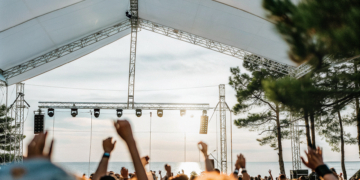
Yes, and reassuringly so. Croatia consistently ranks among the safer countries in Europe, violent crime is uncommon, and nightlife here runs on the mellow Mediterranean model: late dinners, harbourside cocktails, a slow build to a club rather than a rowdy dash to one. Both the US State Department (Level 1, updated May 2026) and the UK Foreign Office describe crime levels as low and violent crime as rare (checked August 2026). Croatia even ranked among the world’s 20 safest countries on the 2025 Global Peace Index, well ahead of most European countries, and that sense of safety carries into the evening up and down the Dalmatian coast. That holds across the party towns too: Split’s Bačvice and Riva, Hvar’s late-night bars, the open-air Adriatic clubs of Zrće beach near Novalja, and Zagreb’s Tkalčićeva.
Solo travellers, including solo women, generally find Croatia comfortable at night, and the usual sensible habits go a long way: stick to lit, busy areas, keep a charged phone, and tell someone where you’re headed. The one place the official advice gets specific and pointed is a particular kind of venue, which is the next section, because it’s the single most likely way a night out here goes wrong.
The bar-bill scam: agree the price, then check the receipt
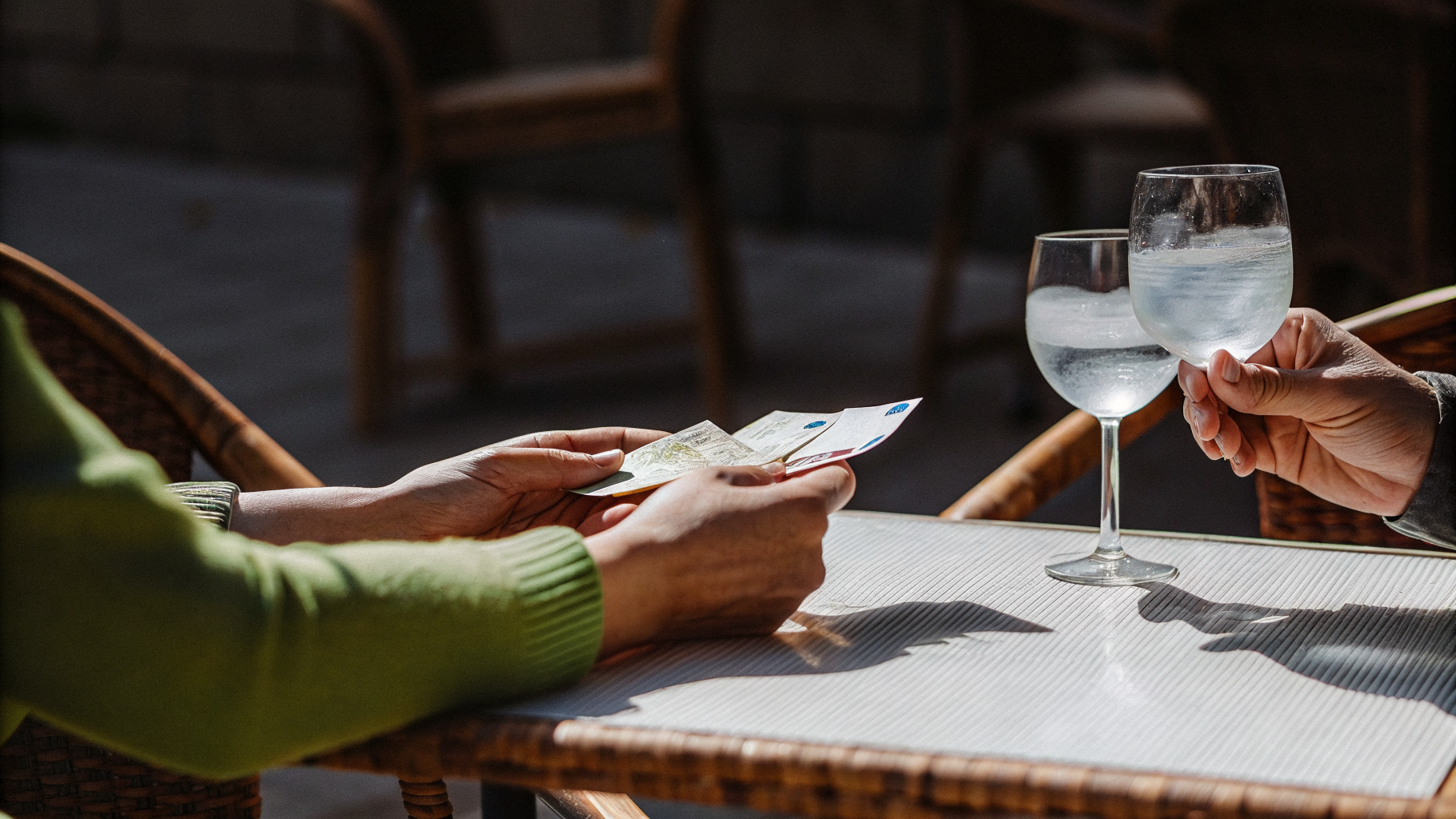
This is the one real scam worth memorising, and it’s narrow. Both the US and UK governments warn about the same trap: certain venues (usually marketed as “gentlemen’s clubs” or hostess bars, and the touts who steer men toward them) hand over drinks with no prices on the menu, then present a bill for hundreds or even thousands of euros, and get threatening if you refuse to pay. The US State Department says plainly to avoid these establishments; the UK Foreign Office notes tourists have been overcharged “sometimes by thousands of euros, and threatened with violence” (both checked August 2026). Take that at face value: if a friendly stranger is walking you toward a club you didn’t choose, that’s the moment to say no.
The milder cousin of this shows up in ordinary tourist-strip bars in Split, Hvar and Dubrovnik: a menu with no prices, or drinks that quietly cost triple what the place next door charges. It isn’t dangerous, just annoying, and it’s easy to sidestep:
- Only order where prices are printed. A cocktail menu without numbers on it is a choice the bar made on purpose. Walk to the next one.
- Ask the price of anything special before it’s poured: a bottle of local wine, a round of rakija the waiter suggests, the “house special.” “How much is that?” is a completely normal question and a good waiter answers it without blinking.
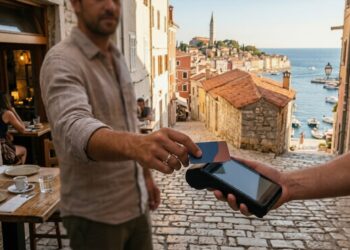
- Check the bill before you pay. Glance for an unexpected service charge or items you didn’t order. Most Croatian bars are entirely straight; this is a two-second habit, not a suspicion.
- Pay as you go in a busy club rather than running a tab you can’t see building.
Get those reflexes down and the whole category of “surprise bill” basically disappears. The wider Croatian nightlife scene (konoba wine bars, craft-beer spots, beach clubs) is honest and fairly priced.
Watch your drink
Drink spiking is not a widespread, headline problem in Croatia, and you should not spend your holiday anxious about it. But it’s a cheap, universal habit worth keeping wherever you’re out drinking in a crowd, so treat this as calm baseline hygiene rather than a Croatia-specific warning.
Keep your drink in your hand or in your sight. Don’t accept an opened drink from someone you’ve just met. Watch it poured or opened at the bar. If you leave a glass unattended to dance, buy a fresh one when you come back rather than finishing it. And go out with people who’ll notice if you suddenly feel far drunker than your drinks explain: sudden dizziness, nausea or confusion that doesn’t match how much you’ve had is the sign to get help fast. If that happens to you or a friend, tell bar staff, stay with the person, and call 112 if they’re unwell; don’t let anyone in that state leave alone or go off with a stranger. None of this is unique to Croatia; it’s the same drink-awareness you’d practise anywhere, but a busy Zrće club at 3am is exactly the environment where the habit earns its keep.
Pace the alcohol — and the heat
The thing that actually flattens most people on a Croatian night out isn’t a scam or a spiked drink — it’s cheap wine, cheaper rakija, and 30-degree heat that hasn’t fully dropped by midnight. Summer nights on the coast stay warm, you sweat more than you notice, and dehydration plus alcohol turns a good night into a rough morning fast.
Drink water between rounds. Line your stomach first. Croatia makes this easy, because a long dinner before the bars is how locals do it anyway. Go easy on rakija if you’re not used to it; the homemade stuff is stronger than it tastes. And respect the sun the next day: nursing a hangover on a baking pebble beach with no shade is how mild dehydration tips into something that needs a pharmacy. This matters even more at a multi-day event: if your night out is really a festival, the crowd-and-heat maths gets more serious, and our festival safety guide covers that specifically.
If you want the nightlife without the navigation (someone who knows the good bars, keeps the group together, and gets you into the clubs), a guided crawl is a genuinely safer way to see a new town’s scene than wandering solo. In Split, the Split Pub Crawl: Nightlife, Shots & Club Entry runs a group through the old-town bars with club entry included, and is well reviewed (4.9/5). It’s an easy, sociable way to have a big night with a built-in group and a guide who knows where’s worth going, and where isn’t.
Getting home safely
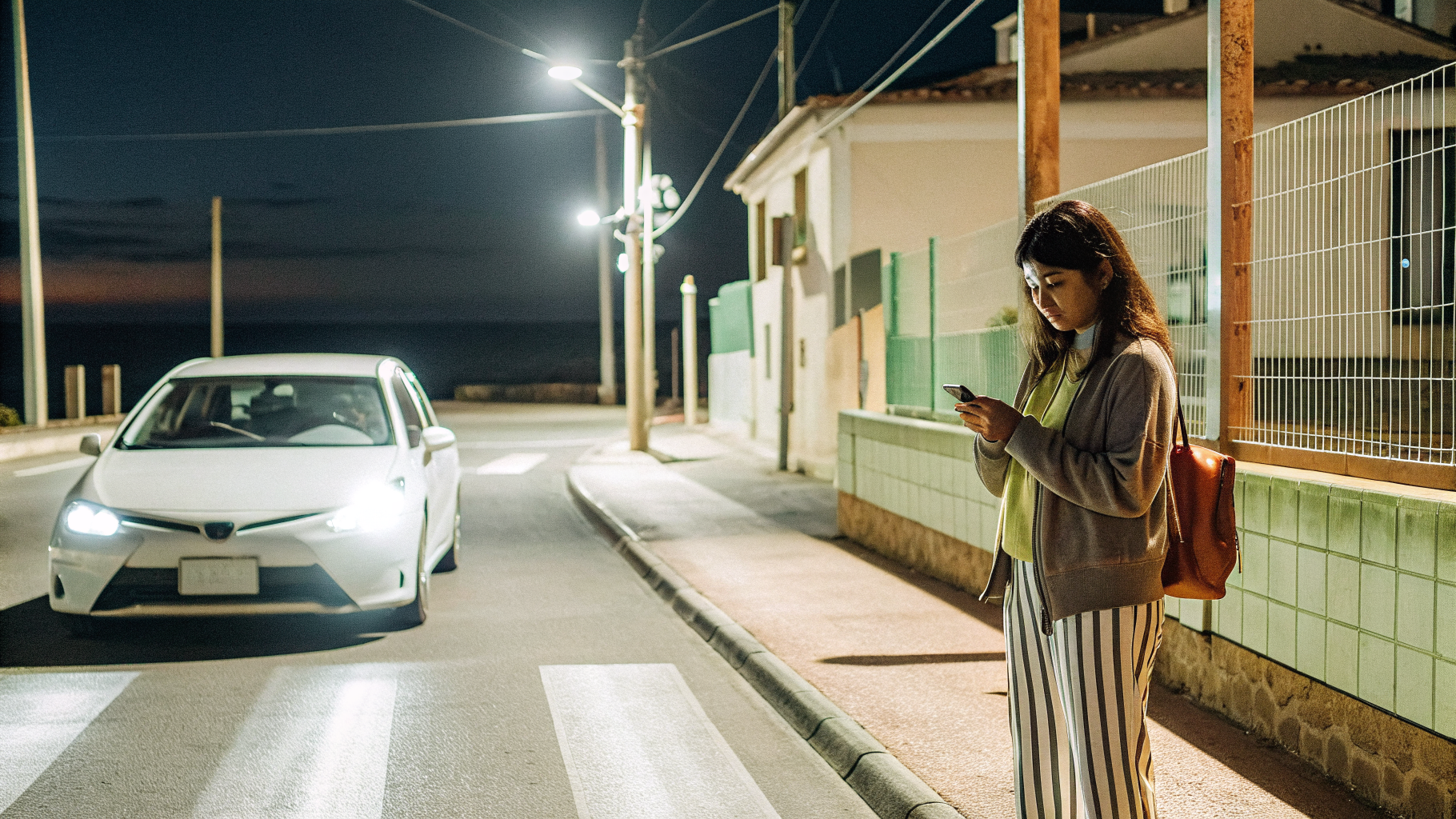
More nights go sideways on the way home than in the bar, so this is the part worth planning before you go out, not after.
Use licensed taxis or a ride-hailing app. Uber and Bolt both operate in Split, Dubrovnik, Zagreb, Zadar and Rijeka (checked August 2026), and they’re the easy choice at night: the price is fixed and shown up front, the destination is set in the app, and there’s a record of the trip: no meter surprises, no negotiating at 2am. If you take a street taxi instead, use a clearly marked, licensed one, and agree the fare or confirm the meter’s running before you set off. As a personal-safety habit the UK Foreign Office suggests, worth doing especially if you’re alone, snap a photo of the taxi’s ID number and share your ride status with a friend.
Know the islands are different. Uber and Bolt don’t operate on the islands. Hvar, Brač, Korčula and the rest run on local taxis and your own feet. On a small island that’s usually fine, but it means planning: have a local taxi number, or stay within walking distance of your accommodation.
Mind the last ferry. If your night out is on a different island or the mainland from where you’re sleeping, the last catamaran or ferry is a hard deadline. Miss it and you’re either paying for a room you didn’t book or waiting on a harbour until morning. Check the return time before you go out and treat it as your curfew; our island-hopping safety guide has more on ferry timing and not getting stranded.
Never, ever drive after drinking. Croatia’s drink-drive limit is a strict 0.05% blood alcohol, and a flat zero for drivers under 24 or with under two years’ licence (checked August 2026). Police enforce it, and penalties run to heavy fines, licence loss and worse. If you’ve rented a car or a scooter, leave it parked and take a taxi; a night out and driving simply don’t mix here. The same logic covers wine country: if your day is built around tasting, plan the transport around it, which our wine-tasting safety guide walks through.
Pickpockets in the crowd
Petty theft is the most common crime tourists actually meet in Croatia, and a packed bar, a festival crowd or a jostling old-town street after dark is exactly where it happens. The US State Department notes petty crime in busy tourist areas, and the UK Foreign Office says plainly that pickpockets operate in tourist spots and to avoid carrying large sums of cash (checked August 2026).
Nothing dramatic is required. Take out what you’ll spend and leave the rest (spare cards, your passport, most of your cash) locked at your accommodation. Keep your phone and wallet in a front pocket or a zipped bag held in front of you in a crush, not in a back pocket or an open tote. Don’t set your phone down on the bar and turn away from it. And be a touch more careful the drunker you get, because that’s precisely when a bag left on a chair gets forgotten. In practice a little care makes this a non-event.
No swimming or boating after drinking
Croatia’s coastline is right there, warm and inviting, and a late-night dip or a “let’s take the boat out” after a few drinks is one of the genuinely dangerous ideas a fun night can produce. Alcohol wrecks your judgement of cold water, distance and current, and drowning after drinking is a real cause of holiday tragedies — not a nanny-state caution. Dark water, rocky unlit entries and a body full of alcohol are a bad combination.
So: no swimming after you’ve been drinking, however tempting the sea looks. No jumping off rocks, harbour walls or the famous cliff spots at night. You can’t see the depth or what’s under the surface. And no taking a boat, kayak or paddleboard out after drinks: the same drink-drive logic applies on the water, and the sea is far less forgiving of a mistake. Save the swim for a clear-headed morning; our swimming safety guide covers doing it properly.
If something goes wrong: emergencies, police and a lost passport
Almost certainly nothing will. But knowing the steps means a bad moment stays small.
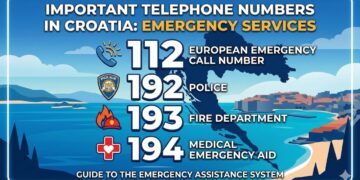
In any emergency, call 112. It’s the single European emergency number, it reaches police, ambulance and fire, and the operators speak English. That’s the one to save in your phone tonight.
- For a crime (theft, an aggressive overcharging situation, an assault) you can call 112, or the police directly on 192. For something non-urgent, like reporting a theft for your insurance the next day, go to the nearest police station (policijska postaja) and ask for a written report; you’ll need it for any claim.
- For a medical problem, 112 reaches an ambulance (the direct EMS line is 194). If a friend is unwell from drink or a suspected spiked drink, don’t wait it out. Call.
- If you’re overcharged and threatened in a bar and can’t safely walk away, get to a public area, don’t escalate it physically, and call the police. This is exactly the scenario the official advisories describe, and the police take it seriously.
Lost or stolen passport? Report it to the local police first and get a report, then contact your country’s embassy or consulate for an emergency travel document. The US Embassy is in Zagreb, the UK’s too. Do it as early in the day as you can, because a replacement takes time and you’ll want it sorted before a flight or ferry. Keep a photo of your passport’s photo page on your phone and a copy separate from the original. It makes the whole process faster. The Croatian National Tourist Board keeps official guidance on reporting lost documents.
Save these before you go out: 112 for all emergencies (police, ambulance, fire) with English-speaking operators, the one to save; 192 for police direct; and 193 fire, 194 ambulance/EMS, 195 sea rescue.
Travel insurance: carry a policy that actually covers you. An EHIC/GHIC card only helps EU residents and is no use to US travellers, who need private cover; and check the small print, because some policies limit claims involving alcohol. It’s a boring line on a booking form that turns a ruined night into a covered one.
Frequently asked questions
Is Croatia safe for nightlife? Yes. Croatia is a low-crime country with a relaxed, Mediterranean nightlife scene, and both the US and UK governments rate it an “exercise normal precautions” destination (checked August 2026). The main things to manage are ordinary ones: a specific bar-overcharging scam, watching your drink, and getting home sensibly.
What’s the main scam to avoid on a night out in Croatia? The overcharging trap at “gentlemen’s clubs” and hostess bars, where drinks have no listed prices and the bill arrives at hundreds or thousands of euros, sometimes with intimidation. Official US and UK advice is simply to avoid these venues. In normal bars, order only where prices are printed and check the bill.
Is drink spiking common in Croatia? It isn’t a widespread, flagged problem in Croatia, so don’t build your trip around fear of it, but keep the same universal habits you would anywhere: watch your drink, don’t accept opened drinks from strangers, and get help fast if you or a friend suddenly feels far drunker than your drinks explain.
How do I get home safely after a night out in Croatia? Use a licensed taxi or a ride-hailing app. Uber and Bolt run in Split, Dubrovnik, Zagreb, Zadar and Rijeka (checked August 2026), with fixed, upfront prices. The islands have no Uber, so plan a local taxi or stay walkable. Mind the last ferry if you’re sleeping elsewhere, and never drive after drinking. The limit is 0.05%, zero for under-24s.
Is Croatia safe for solo travellers going out? Generally yes, including for solo women. Stick to lit, busy areas, keep your phone charged, tell someone your plans, watch your drink, and use app-based rides at night. A guided pub crawl is also an easy way to have a group around you in a new town.
What number do I call in an emergency in Croatia? 112 for any emergency: police, ambulance or fire, with English-speaking operators. For police specifically you can also dial 192.
The short version
Going out in Croatia is safe and low-drama. Skip any bar with no prices on the menu, especially the “gentlemen’s club” touts, and check your bill. Keep an eye on your drink out of ordinary habit, not fear. Pace the alcohol against the heat and drink water. Get home in a licensed taxi or an Uber/Bolt (fixed prices; not on the islands), mind the last ferry, and never drive after drinking. Leave your passport and spare cash at your accommodation, watch your pockets in a crowd, and save no swimming or boating for the sober daylight. Save 112 in your phone, and enjoy the night.