














Wondering whether Croatia’s new Airbnb rules for 2027 affect your booking? Short answer: they don’t, not in any way that should worry you. Croatia’s new short-term rental law, due to take effect on 1 January 2027, is aimed squarely at hosts and booking platforms, not guests. The headline change is a national registration system: every room, apartment and holiday home advertised on platforms like Airbnb and Booking.com will need an official registration number, and unregistered properties get pushed off the platforms. Nothing is asked of you, and no new fee lands on your bill.
Croatian headlines have been full of “fiscalization” and warnings to hosts for a year, and the noise has drifted into travel forums as “is Airbnb even allowed in Croatia?” It is. Here’s what’s actually happening.
What Croatia’s new short-term rental law says
The Croatian government approved the new Law on Hospitality Activities on 26 June 2026; as of late August it awaits its final parliamentary vote, but the start date everything is built around is 1 January 2027. It ties into the EU’s short-term rental (STR) regulation on data sharing, in force across the EU since 20 May 2026. The pieces that matter:
- A unique registration number for every rental. Rooms, apartments, studios and holiday homes advertised online must carry one. The Ministry of Tourism and Sport says obtaining it will be free, digital and simple through the eTurizam system, with the obligation phased in during 2027.
- Platforms become enforcers. Airbnb, Booking.com and the rest must share data with authorities and keep unregistered listings off their sites, on pain of fines of €13,000–€130,000, or 1–6% of revenue.
- More inspectors. The State Inspectorate gets backup from customs officers and municipal wardens, all chasing illegal accommodation, not paying guests.
Will your Airbnb or Booking.com reservation survive?
Almost certainly. Croatia has required hosts to hold an official approval for years. Mandatory registration itself isn’t new, only the number and the platform policing are. Most listings are legal, and for those hosts 2027 changes nothing you’d notice.
Some listings will quietly disappear during 2027 as platforms filter out properties without registration numbers. If a host was never legal, better to learn that at booking than at the apartment door. Your protection is boringly simple: book places with a long review history, and from 2027, glance for the registration number on the listing.
What you’ll actually notice as a guest

Three things, two of which were already true:
- Your passport at check-in. Hosts must register every guest in the eVisitor system within 24 hours of arrival. That’s been the rule for years — guest registration, not surveillance. If you’re American, it sits alongside the new EU border kiosks: see our EES in Croatia guide.
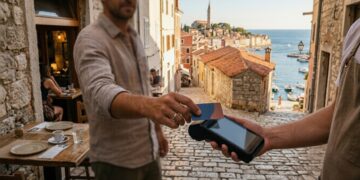
- A proper receipt. Croatian hosts must issue an invoice for your stay. The scary-sounding “fiscalization” law is mostly plumbing between businesses and the tax office. Small private renters aren’t even required to fiscalize guest receipts. Paying a balance in cash on arrival remains normal; see cash or card in Croatia.
- The registration number on listings, the one genuinely new thing, appearing through 2027.
Will there be fewer apartments and higher prices?
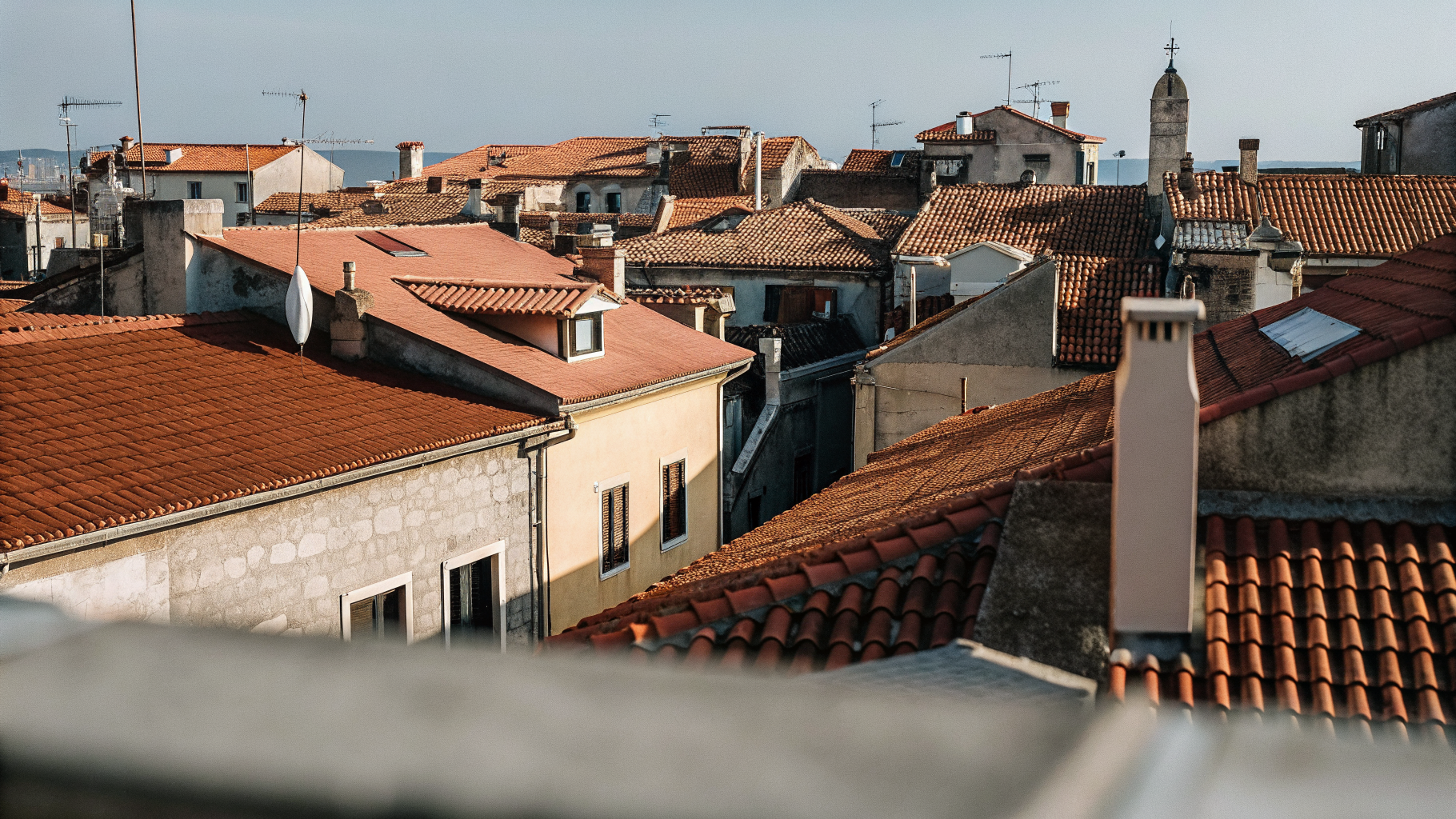
Here’s the honest bit. The law exists because short-term rentals swallowed housing in Dubrovnik and Split, so expect supply to tighten there over time: the bill blocks companies from new apartment licenses in residential buildings, and lets authorities pull permits over unpaid tourist tax. A thinner but more legitimate rental market is the goal. Travel in shoulder season: October and November are quietly excellent, and you’ll still have your pick, at prices peak-summer visitors wouldn’t believe. Dubrovnik is tightening on several fronts at once; see the city’s new cruise and visitor rules for 2027.
The practical bit
Book 2027 stays normally. There’s no reason to wait. Favour listings with years of reviews, keep your confirmation, have passports ready at check-in, and expect a receipt if you pay anything on the spot. If a saved listing vanishes over winter, assume the law worked and pick another. And if a host asks you to cancel and rebook “off-platform,” decline. That’s exactly the grey zone this law is built to end.
FAQ
Is Airbnb legal in Croatia? Yes. The 2027 law regulates hosts and platforms; renting to tourists remains a huge, legal industry.
Do Airbnb hosts in Croatia need a license? Yes. Hosts have long needed an official approval to rent, plus categorization of the property. From 2027 they’ll also need the registration number on any online listing.
Why does my host need my passport? Croatian law requires hosts to register every guest in the eVisitor system within 24 hours of arrival. It’s routine and mandatory.
Is there a 90-day rule for Airbnb in Croatia? No. The new law doesn’t cap how many nights a property can be rented, unlike Paris or London. The only 90-day limit to mind is your own Schengen visa-free allowance.
Could my 2027 booking be cancelled because of the new law? Unlikely if the host is registered, and most are. The realistic risk is an unregistered listing being removed before your stay, then the platform’s normal cancellation protections apply.
The short version
Croatia’s 2027 short-term rental rules are a host-and-platform story, not a traveler one. Every legal rental gets a free registration number, platforms must delist the rest, and inspectors get more muscle. Book as usual, prefer well-reviewed listings, expect the passport ritual and a receipt, and enjoy a marketplace with fewer surprises in it.